The cost question, in plain words
Everything below comes from the deep-research report
Prefabricated Urban Common Utility Tunnels & Subterranean Corridors (Aug 2026, v4).
We've stripped the jargon: what the numbers mean, what they'd look like on a street you know,
and — first — which test these numbers should be judged by.
Prefer the step-by-step version? Read the detailed plain-language guide
First, the right test — this is not supposed to pay for itself
A utility corridor is public
infrastructure, in the same class as mass transit, arterial roads, water mains and
drainage. That class of asset is not built to recover its cost,
and it is not judged as if it were. Almost no metro system on earth repays its capital out of
fares; the systems that come closest do it by capturing the land value the line created
— Hong Kong's rail-plus-property model — not by selling rides. Nobody asks whether EDSA has
paid for itself.
The test applied to infrastructure is not
"does the asset repay its own cost?" — that is a commercial
test, and it is the wrong one. The test is "does the economy get back more than
this cost?" So there are two legitimate questions on this page, and
neither of them is "does the tunnel pay for itself":
1 · Which delivery is cheaper for the state?
One corridor, or trenching the same street forever? Both
deliver the identical utility service, so they can be compared directly on whole-life cost.
The arithmetic further down answers this one. It is a
cost-effectiveness question — a return measured on the country's books, not on the
tunnel's.
2 · What does the corridor let the city do?
Reliable power, water and fibre that stay up, road capacity
not permanently consumed by works, land released, new utilities added without another decade
of street closures. This is the actual justification —
and it is the part nobody has costed yet.
The research below
already half-discovered this and kept using the old word. "Direct costs alone: the tunnel never
catches up" is simply the finding that this asset does not recover its
cost commercially — as designed. The moment the analysis adds social costs — the
traffic, the closures, the lost trade — it has stopped doing a financial appraisal and started doing
an economic one. And the strongest number on this whole page,
Hengqin's benefit-cost ratio of ≈3.6 on released land alone, is an
economic-appraisal metric. A BCR above 1 is the standard by which public infrastructure is approved
worldwide. That is the number to lead with — and the payback years
further down are the floor beneath it, which is exactly why they are still on this page.
First, the one-sentence idea
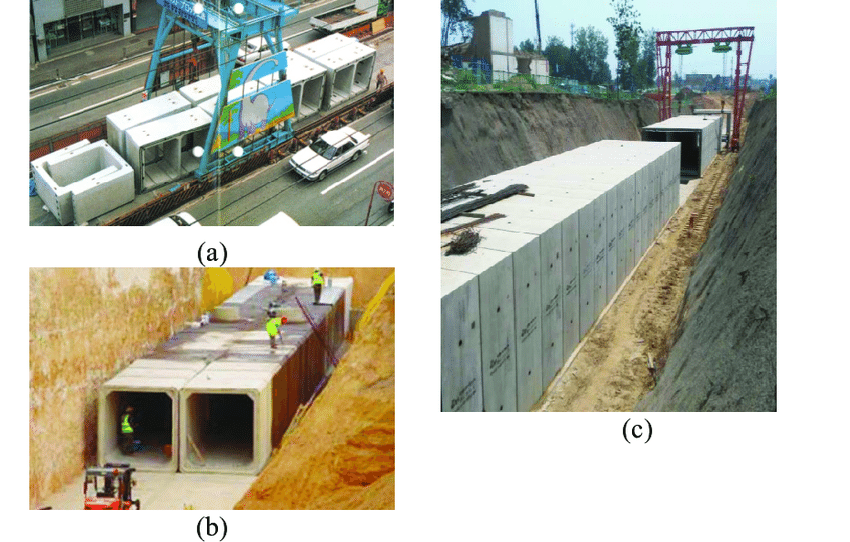
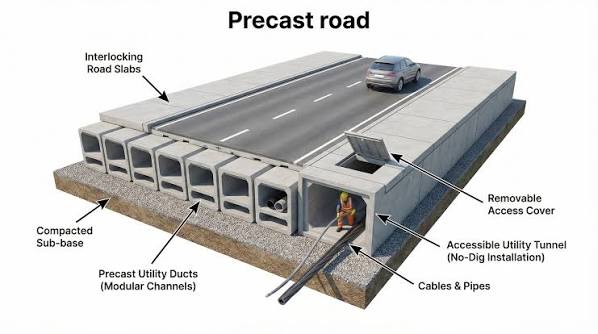
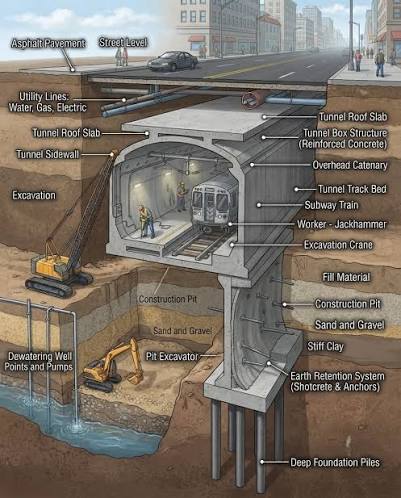
A utility tunnel is a single underground corridor
that holds water pipes, power cables, telecom lines and gas in one place — instead of burying each one
separately and digging the street up again every time one needs fixing. In a tunnel, a worker walks in, reaches
the fault from inside, and the road never gets opened. Many of these tunnels also have a shopping and
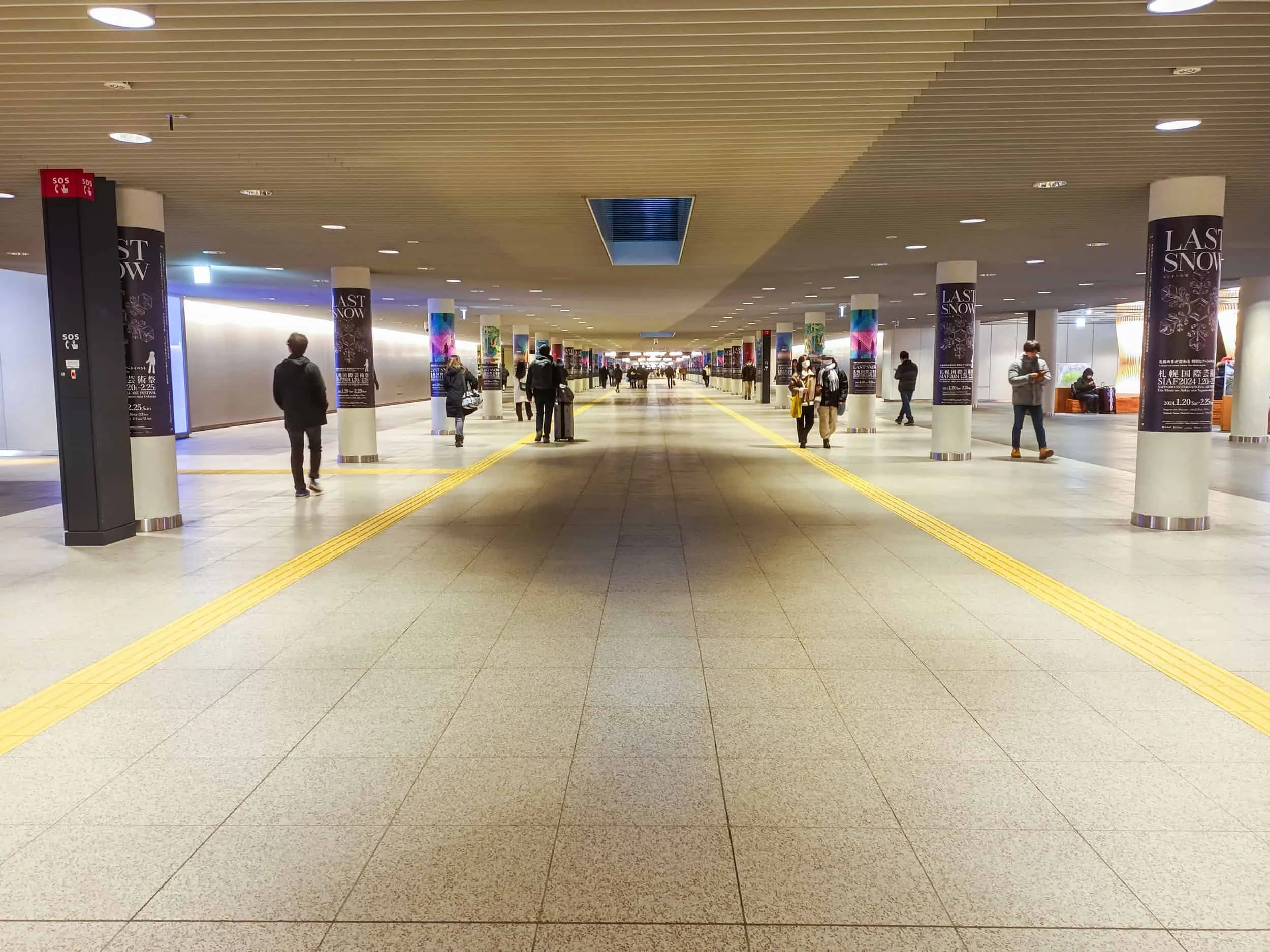
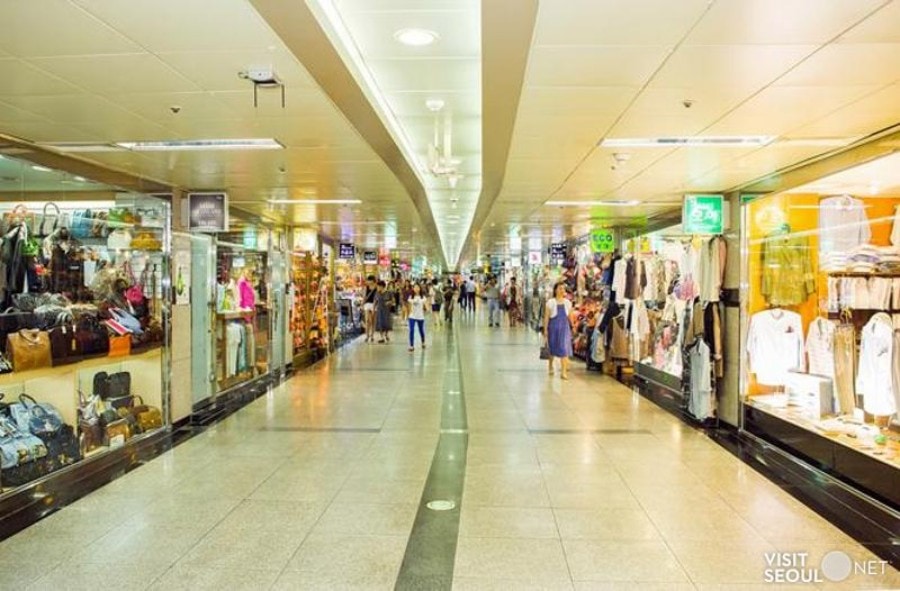
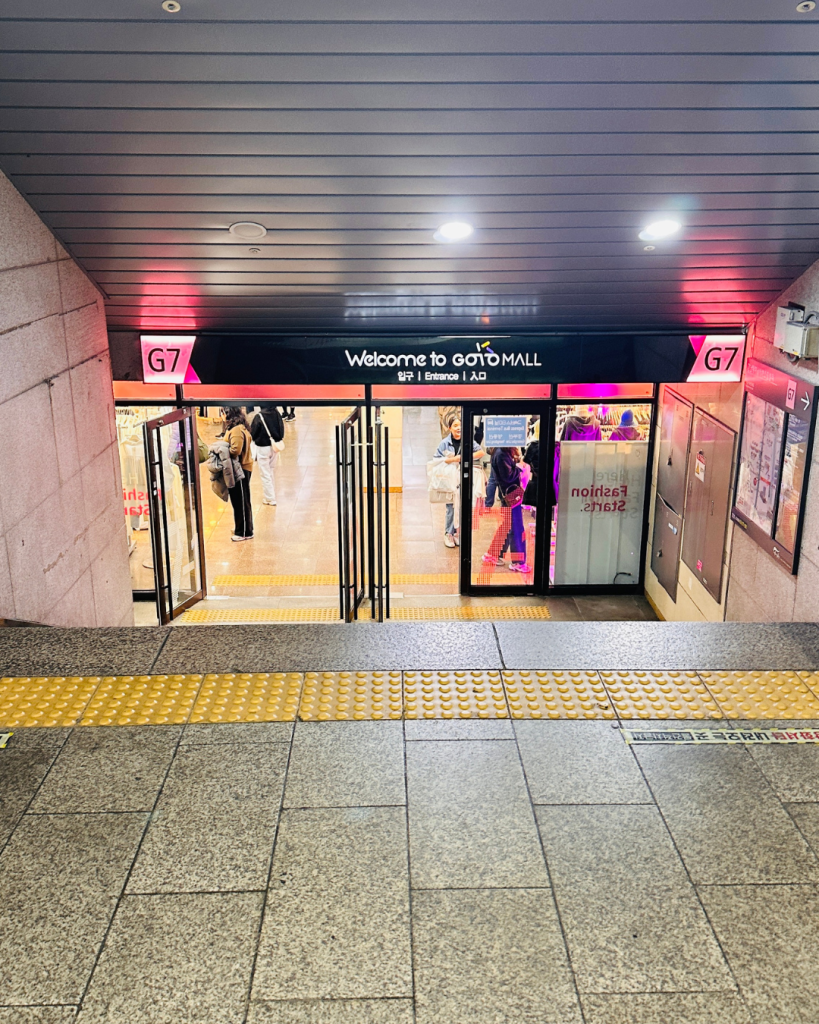
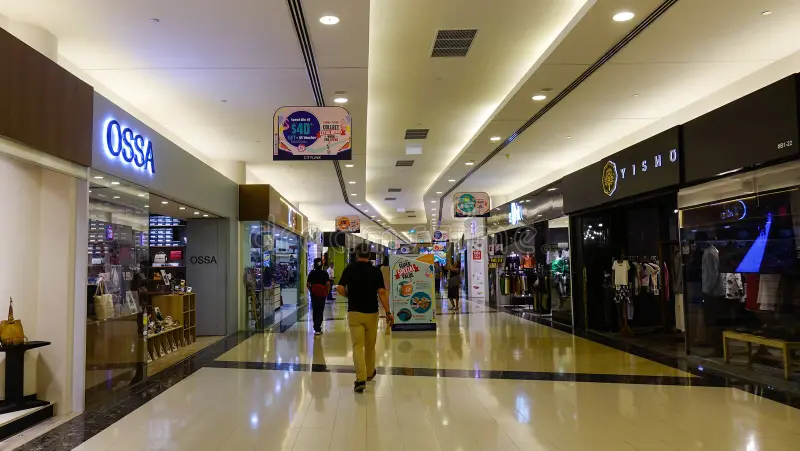
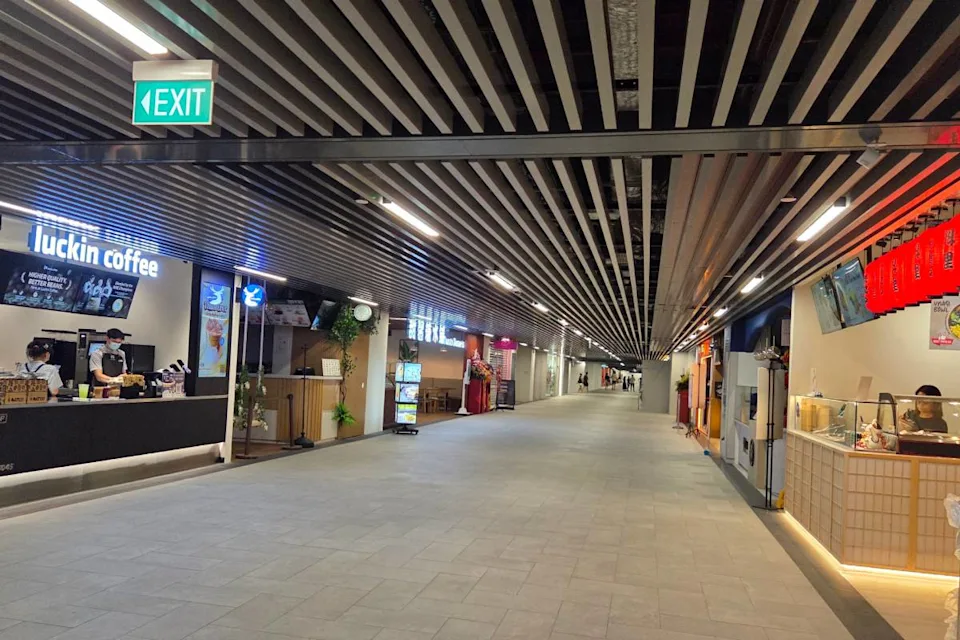
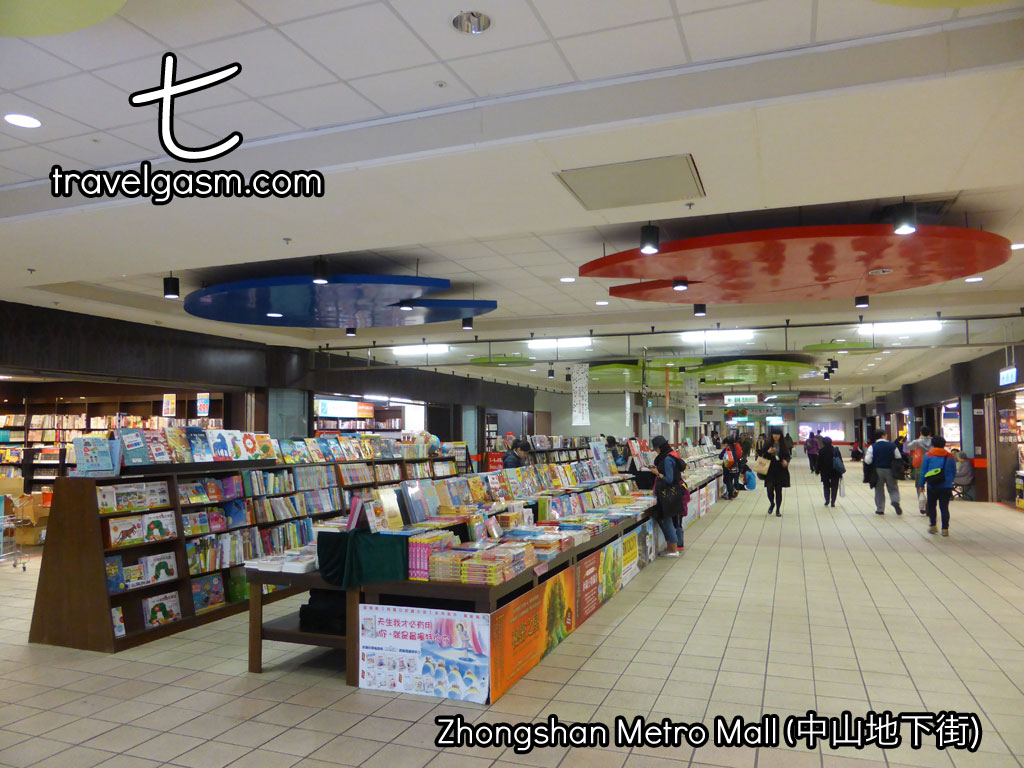
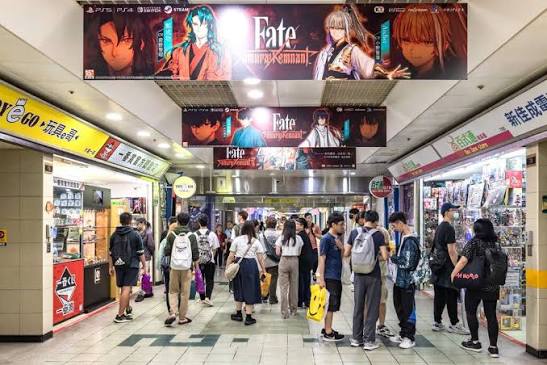
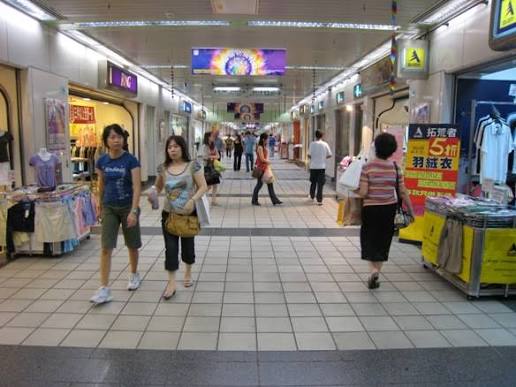
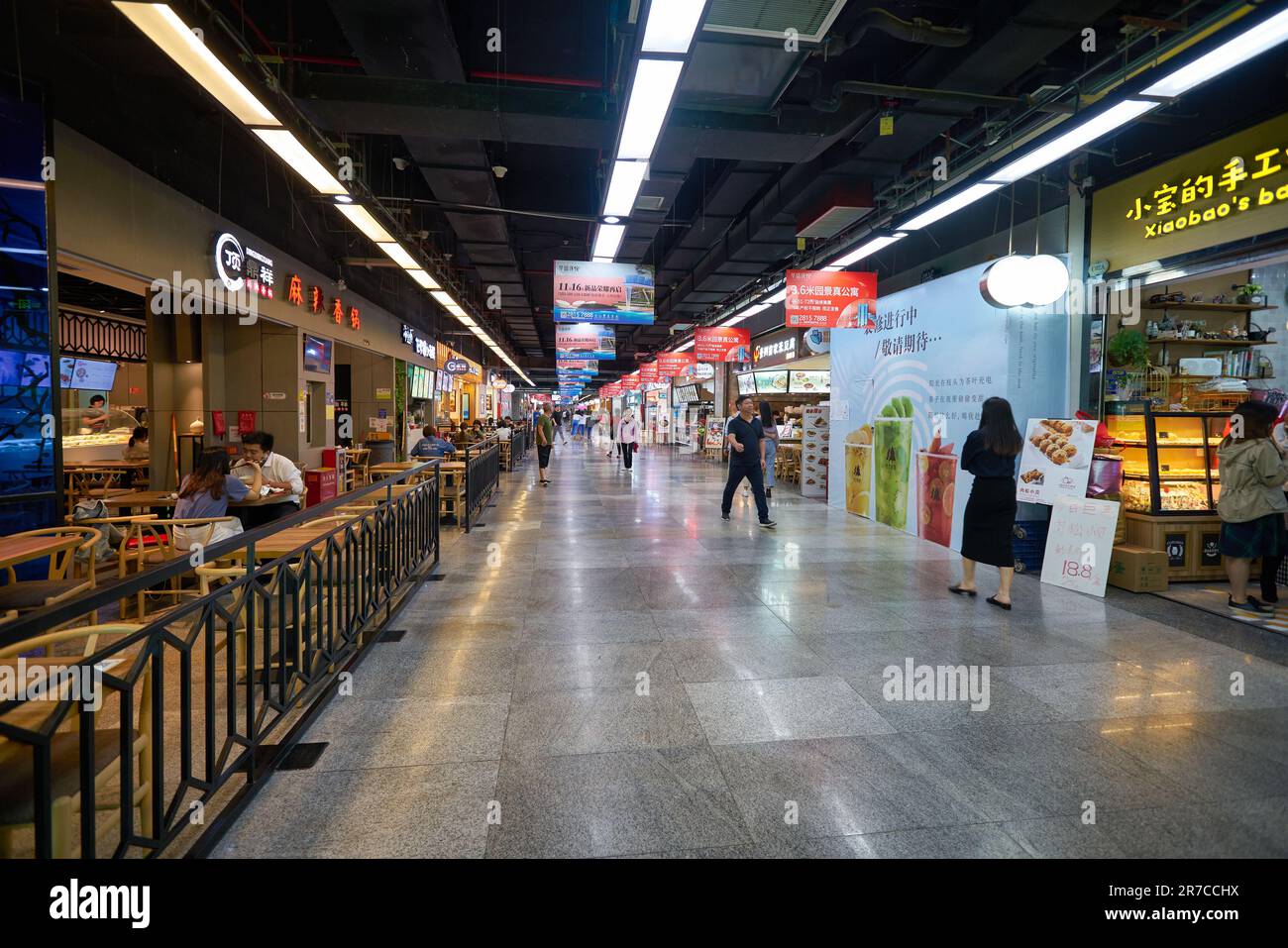
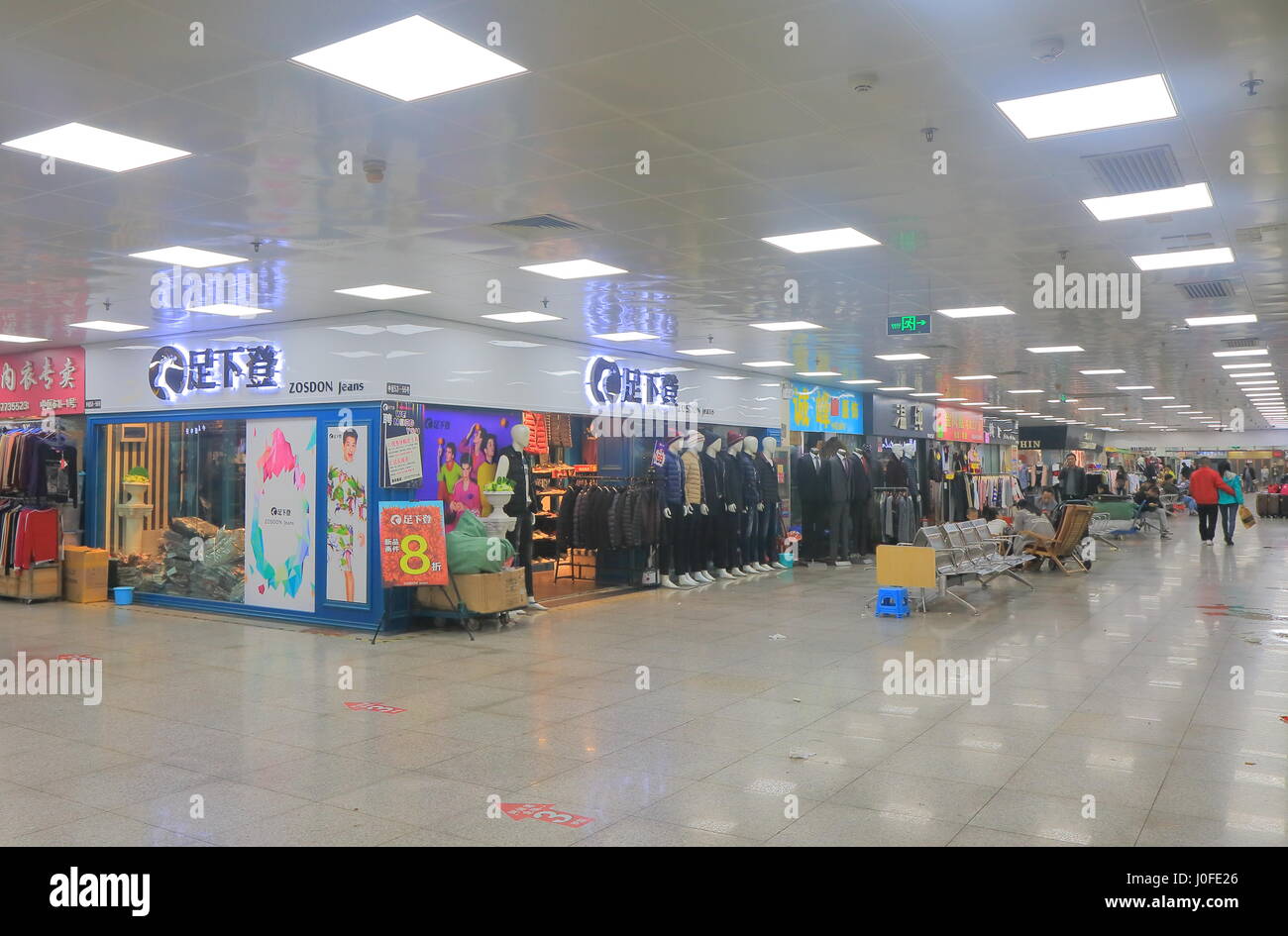
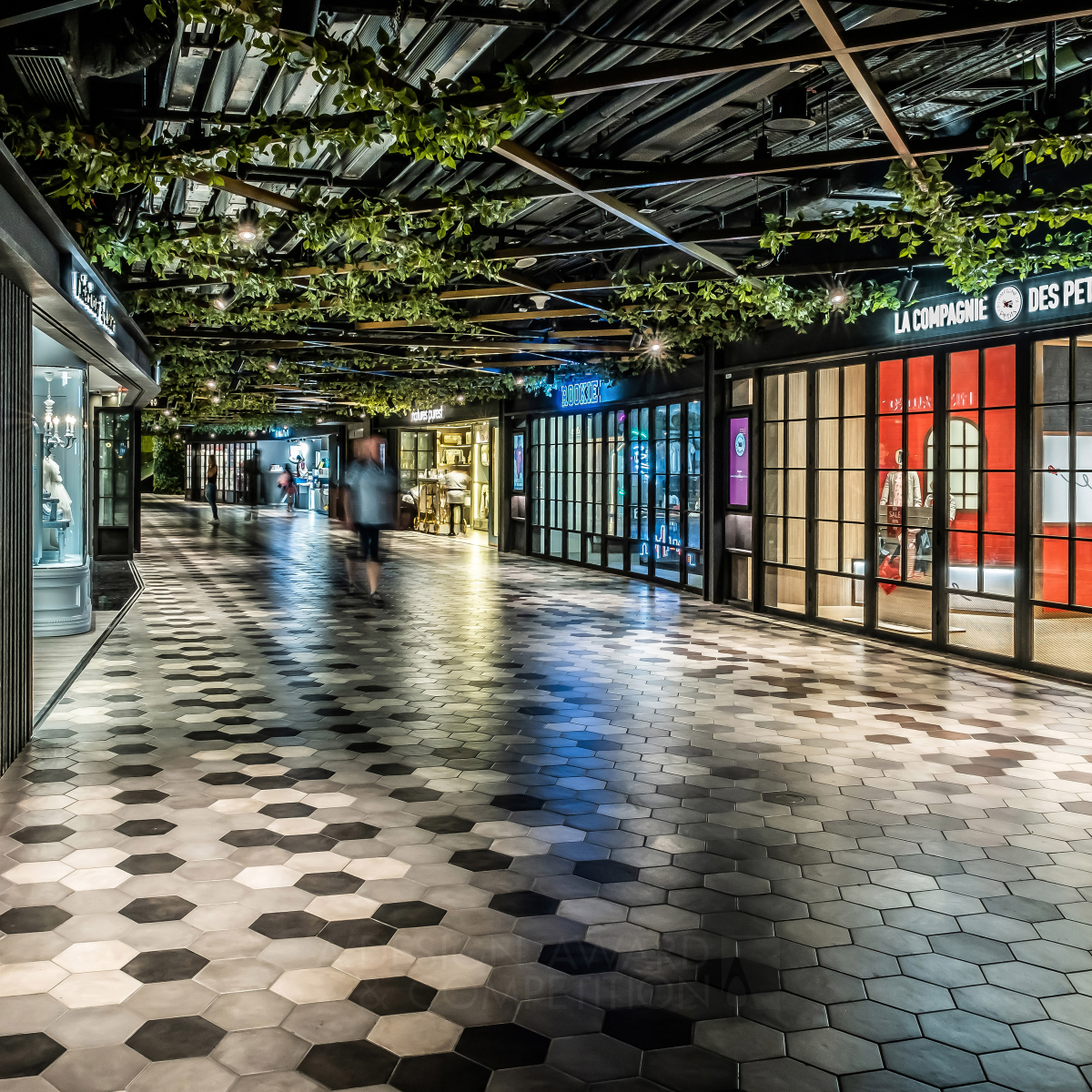
dining concourse on the pedestrian level — usually a separate facility under separate rules, built off the same excavation.
The three sizes (what "Walk-in Class" means)
Tunnels come in three sizes, named by how wide they are (the "D" = diameter/width in metres). Picture the width of a room or a one-lane road:
Small duct — under 2.5 m
About as wide as a hallway. Just enough for cable ducts — a worker can't stand up and walk in it. Cheapest (Japan's cable ducts, ~USD 2.3 M/km).
Walk-in — 2.5 to 4.5 m (the standard)
About as wide as a two-car driveway or a small classroom. A worker can walk in, stand up and reach everything — which is the whole point (maintenance without digging). This is what most of the cost tables mean.
Integrated — over 4.5 m
A multi-compartment trunk, big enough to also carry a pedestrian or shopping concourse (people, retail, restaurants). This is the underground-mall class — Singapore's Marina Bay, and the concourses on this page.
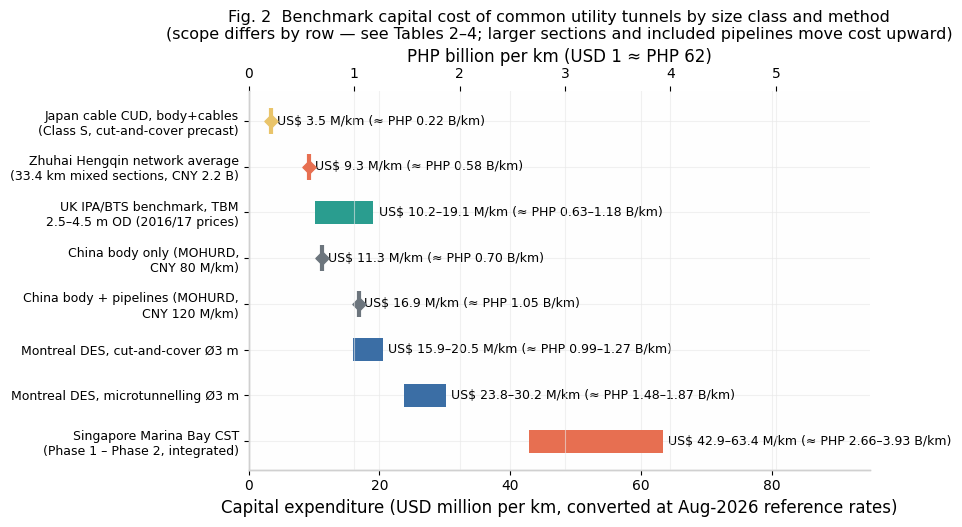
In the tables, "Class W" = walk-in, "Class S" = small duct, "Class I" = integrated. The graph captions and tables mix these by size, which is why a per-km number always needs to say which size and scope it is.
What a km actually costs, and what the numbers mean
The dollars are what it costs overseas; we convert to pesos at USD 1 ≈ PHP 62 so it's a local number. Rows marked † have a material imported-plant share — the heavy machines (tunnelling rigs, slurry plants) and some special gaskets have to be bought abroad and shipped in, which adds about 30% (a ×1.3 uplift) to that share. The concrete tunnel sections can be cast in the Philippines, so precast is quoted at par with no markup. The peso column below is at par: apply the ×1.3 only to the imported plant inside a † row.
| Where / method | USD M/km | PHP M/km | What it is, plainly |
|---|
| Japan cable duct (small) | 2.33 | ≈ 145 | Small cable corridor, the cheap end. Mostly one-purpose. |
| China body-only, cut-and-cover (walk-in) | 11.3 | ≈ 700 | The standard tunnel body only — no pipes inside yet. The volume-play benchmark. |
| China body + pipelines (walk-in) | 16.9 | ≈ 1,050 | The realistic full price: tunnel plus the water/power/telecom lines it carries. |
| UK TBM tunnel (walk-in) † | 10.2–19.1 | ≈ 630–1,180 | Tunnelling machine instead of open trench. Faster, but machine + expensive. |
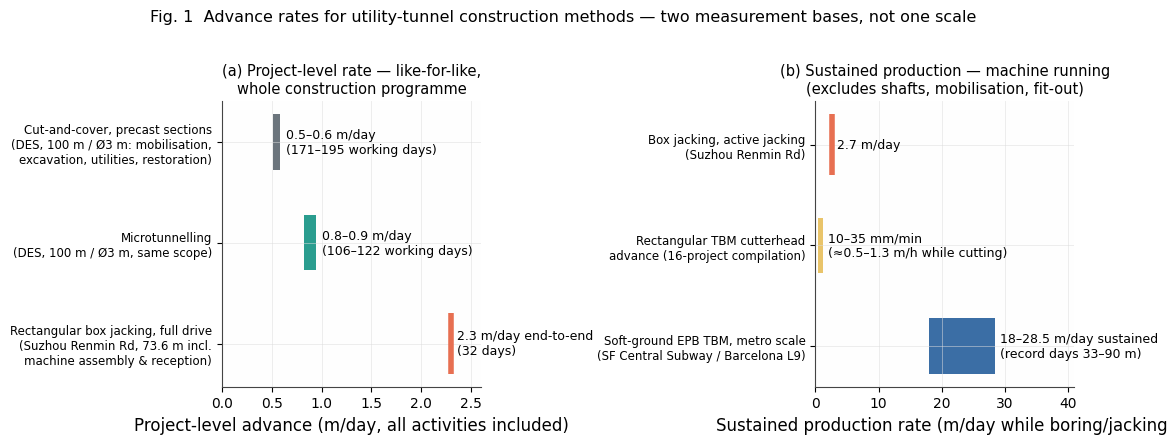
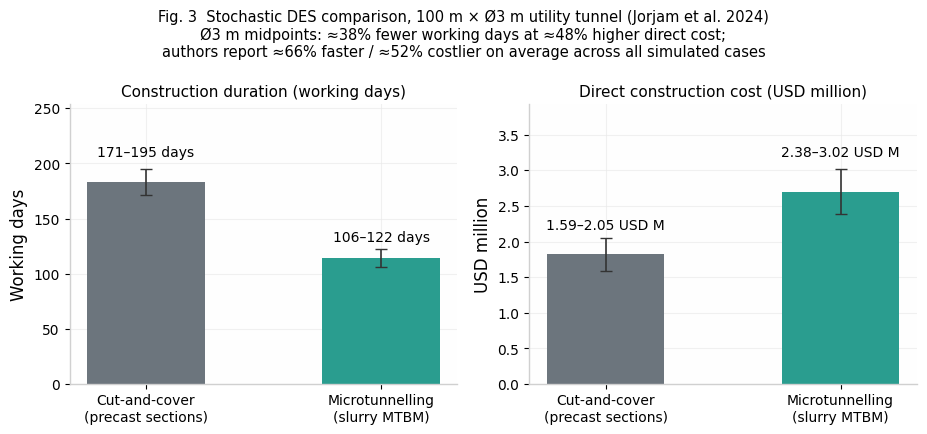
| Montreal machine / open trench (Ø3 m) | 23.8–30.2 / 15.9–20.5 | ≈ 1,480–1,870 / 990–1,270 | A head-to-head inside one case study: the machine costs about 48% more than Montreal's own open-trench figure (not the China figure above), and needs about 38% fewer working days. |
| Singapore Marina Bay (integrated) | 42.9–63.4 | ≈ 2,660–3,930 | The premium end: big, deep, in a live financial district, with shopping space. |
† = row with a material imported-plant share (×1.3 uplift on that share; the peso column is at par). These are planning benchmarks for screening, not a bid price — a real Philippine job is priced against local labour, cement and steel. And note "body only" vs "body + pipes" can almost double the number, so a comparison always has to state the scope.
What would it mean on a street you know? (Shaw, EDSA, C3–C5)
One benchmark, applied the same way to every row: the China body + pipelines figure, ≈ ₱1.05 B per km. The only thing that varies the cost in each row is the length — nothing else. On the body-only benchmark (₱0.70 B/km) every figure below drops by about a third. A km is roughly what a 10-minute drive covers on an avenue.
| Street / corridor | Rough length | Tunnel cost | The malls & things it would touch |
|---|
| Shaw Blvd (Mandaluyong / Ortigas) | ≈ 3 km | ≈ ₱3.2 B | SM Megamall, Shangri-La Plaza, St. Francis Square, Robinsons Galleria (nearby along Ortigas). The busiest commercial strip in the area — every road-opening here is a nightmare. |
| EDSA (C-4) | ≈ 24 km | ≈ ₱25 B for a backbone | SM North EDSA, Trinoma, Araneta City (Cubao), SM Megamall, Ayala (Makati), Mall of Asia. The single most valuable — and most dug-up — corridor in the country. |
| C3 (Quezon City inner ring) | ≈ 12–15 km | ≈ ₱13–16 B | Crosses Araneta City, Gilmore, Roosevelt — universities, malls and a dense residential belt. |
| C5 (outer ring) | ≈ 16–18 km | ≈ ₱17–19 B | Runs past Eastwood, Libis, C5-Quezon City, Bonifacio Global City — a fast-growing business corridor. |
What having these tunnels would actually change:
the road stops being dug up. Today every water-leak fix, cable pull or signal change means closing lanes on EDSA or Shaw for weeks
— that's the "social cost" the report talks about (traffic jams, lost business, detours). In a tunnel, the crew walks in, fixes it from inside,
and the street never closes. That's why the case gets stronger on a busy street: a road that gets opened
every couple of years is far more expensive to keep digging than one that's rarely touched, and the disruption it inflicts on the
economy around it is far larger. And because the corridor is covered, the space
above (the concourse) becomes retail — the underground-mall model — so a tunnel near a mall both bypasses the digging and adds
walking/retail space, exactly like Shanghai, Taipei, Seoul and Singapore.
The "payback" numbers — the conservative floor, not the justification
Read these as
question 1 above — which delivery is cheaper for the state — and as the
worst case, because they count only the cost the government avoids and none of the economy the
corridor enables. They are the floor. If the numbers work even on this
deliberately mean basis, the infrastructure case was never in doubt. Here is what they mean:
You're comparing paying a lot now (build the tunnel)
against paying a little every time you'd otherwise dig. The catch is money today is worth more than
money decades from now — a ten-year saving is worth less than a peso today. That's "discounting."
So here's what the bullet points actually mean, in plain language:
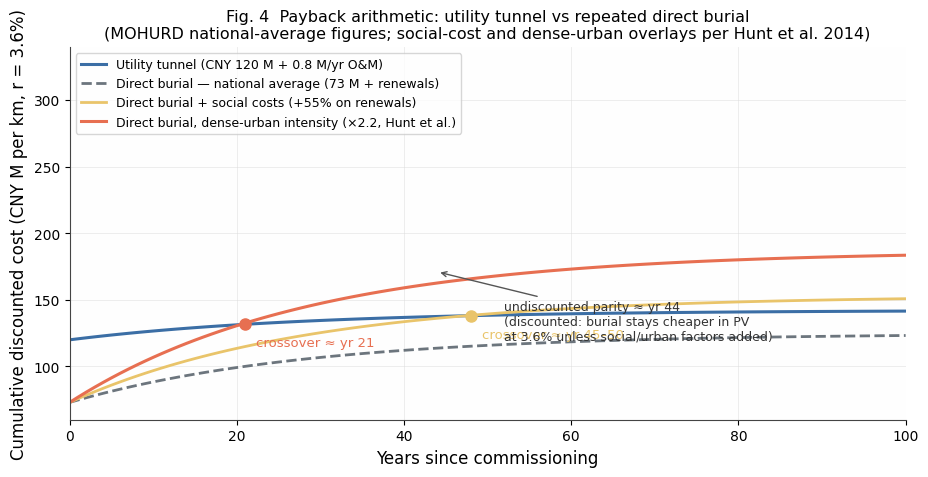
- "Direct costs alone: tunnel never catches up." If you only count the cash spent — tunnel vs. re-digging — and you shrink the future savings because they're far away, the tunnel's big upfront cost is never repaid. You spend ₱1 B today; the savings trickle in slowly and are worth less over time, so they never catch the ₱1 B. On cash alone, the tunnel looks like a bad deal — because it's comparing a big bill now to savings spread far in the future. This is the expected result for public infrastructure, and it is why the commercial test is the wrong one: a metro, an arterial road and a flood-control system all fail it too.
- "Add social costs: crossover ≈ year 48." Now count the traffic jams, closures, lost business, detours from digging up a busy street. Include those, and the tunnel breaks even around 48 years — it becomes the cheaper choice.
- "Dense-urban high road-opening frequency: ≈ year 21." On a street that gets dug up every couple of years (like EDSA), the re-digging cost is huge, so the tunnel pays back in about 21 years.
- "Philippine screening: 20–25 yr; <15 yr on dense Metro Manila." Using the cheaper cast-in-Philippines numbers, a Philippine tunnel typically pays back in 20–25 years, and in under 15 years on the busiest corridors (EDSA, Shaw, C5).
- "Measure road-opening frequency first." The single number that decides it isn't the tunnel's cost — it's how often the street is currently torn up per utility. A street dug up every 2 years pays for a tunnel fast; a rural road rarely dug may never. So the first thing to count on any candidate corridor is the dig-ups.
Every one of these years would come
down — most of them sharply — the moment the wider economic
benefits are counted, and down again when the corridor is built into a subway or road project
already happening (see the plain-language guide,
Part 6).
And
the return is real — it just lands on the country's books, not the tunnel's. Every peso
not spent tearing the same street open again is a peso the state still has, and it
compounds: it funds the next corridor, the next line, the next
piece of infrastructure. That is what makes this an investment that pays off
nationally, even though the asset never repays itself commercially. Which is also why
these numbers stay on the page — they rank which corridor goes
first, they carry the annual upkeep the corridor will
need for a century, and they show how quickly the saving turns into money available to build the
next thing.
Long-term cost, plainly
- • Over 50 years, tunnel and repeated re-burying cost about the same.
- • Over 100 years, the tunnel is about 23% cheaper.
- • Dense-urban repeated open-cut can reach 132–220% of the cost of one shared tunnel — up to about 2.2× it, not 2.2× on top of it.
- • The traffic / closure / business losses add 30–80% on top of the digging cost.
- • The corridor is not free to run: it carries annual upkeep (the model assumes ≈₱7 M per km per year). That cost is already inside every figure above — it is not additional to them, and it is a permanent line in a maintenance budget.
The economic payoff — what the money actually buys
- • 1995 Kobe earthquake: facilities inside the tunnels came through with zero damage, while 2.6 million homes lost power outside.
- • Hengqin, China: five high-voltage Macau circuits ran non-stop through typhoons Hato & Mangkhut (≈99.99999% reliability).
- • Land freed: Hengqin's 33 km network freed 400,000 m² of surface land worth over ₱8 B — a benefit-cost ratio of ≈3.6 on land alone. This is the economic-appraisal number, and it clears the bar public infrastructure is actually approved against — before counting reliability, avoided disruption or growth.